

Design Considerations
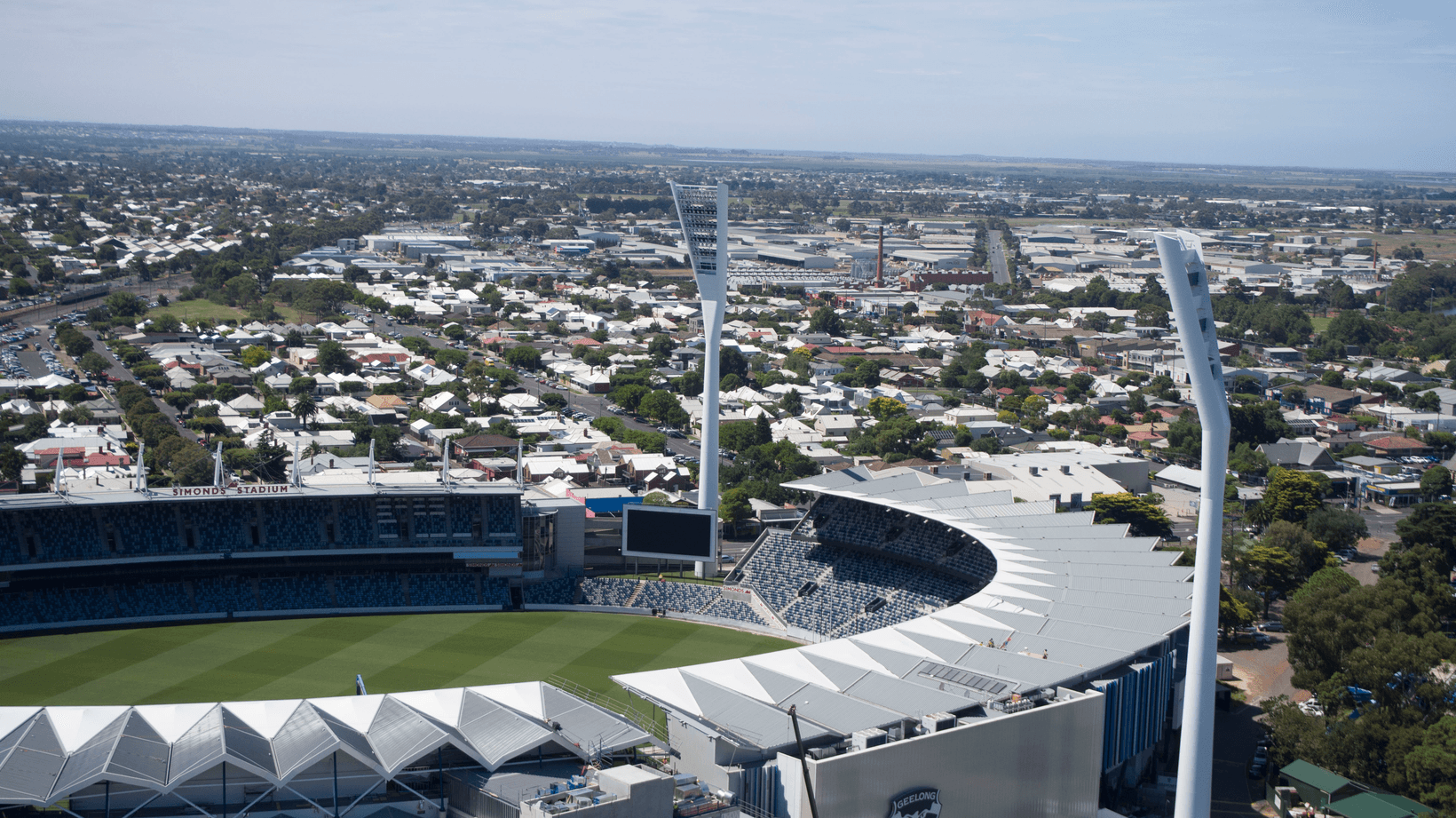
Entertainment and sporting stadiums are high-functioning architectural facilities that must accommodate large occupancies, with crowd safety, circulation, and efficient egress forming critical design drivers. They are expected to perform reliably over decades, often under intermittent loading conditions, placing emphasis on durability, resilience, and appropriate material selection. This is supported by highly coordinated structural and building services integration to manage complex operational demands.
H1 Energy Efficiency
Entertainment stadiums, due to their large scale, high volumes, and intermittent occupancy, can be energy intensive and often incorporate complex HVAC systems. These buildings must be designed to minimise energy consumption and environmental impact throughout their construction and operation, while also addressing building envelope thermal performance. Sustainability outcomes such as Green Star ratings may also be targeted alongside NZBC H1 compliance. Energy efficient design should not rely solely on increasing insulation levels. Effective performance is achieved through intelligent design, including building orientation, facade design, airtightness, and integration of mechanical systems.